1103 Grass, Northern sea oats

$24.00

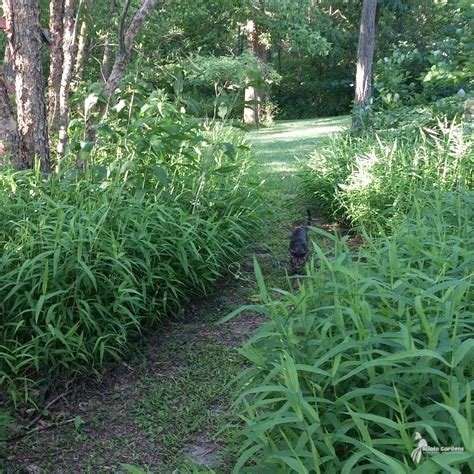
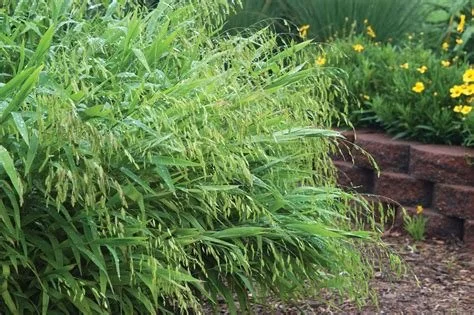
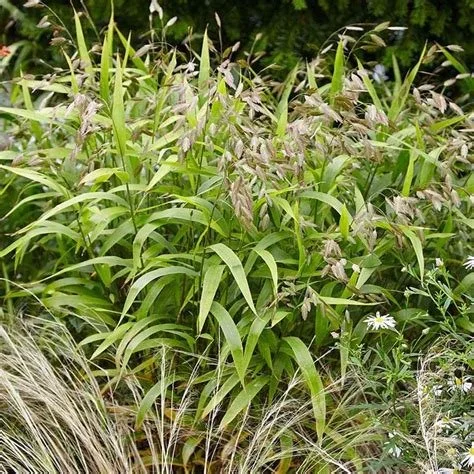
1103 Grass, Northern sea oats (Chasmanthium latifolium) Z4. Easy to grow ornamental grass has a distinctive flat nodding seed heads that resemble oats emerge green in spring, tan in summer and then purplish in fall. Easily grown in moist to wet well-drained soils in part sun to part shade. Use in naturalized areas, along streams or edges of water gardens. Larval host for butterflies and a food source for small mammals and birds. Watch its placement especially in smaller gardens as may spread aggressively by rhizomes and seeds. 2 gal. pot. (2-5’) ME

     1103 Grass, Northern sea oats      1 (2 gal. pot) for $24.00

1103 Grass, Northern sea oats (Chasmanthium latifolium) Z4. Easy to grow ornamental grass has a distinctive flat nodding seed heads that resemble oats emerge green in spring, tan in summer and then purplish in fall. Easily grown in moist to wet well-drained soils in part sun to part shade. Use in naturalized areas, along streams or edges of water gardens. Larval host for butterflies and a food source for small mammals and birds. Watch its placement especially in smaller gardens as may spread aggressively by rhizomes and seeds. 2 gal. pot. (2-5’) ME

     1103 Grass, Northern sea oats      1 (2 gal. pot) for $24.00

If you’re rethinking your lawn or starting a native garden, native grasses play a crucial role in rebuilding ecosystems and restoring soil health. They also add texture, movement, and structure to any landscape. Native grasses:

·   Prevent erosion by holding soil in place during heavy rain or wind.

·   Improve water infiltration, allowing more rainfall to soak into the ground instead of running off.

·   Break up compacted soils, making space for air and water movement.

·   Cycle nutrients, drawing minerals from deep layers and making them available near the surface.

·     Provide habitat and food for beneficial soil organisms.

·     Encourage growth of mycorrhizal fungi, which form symbiotic relationships with plant roots.

·     Create microclimates in the soil that support everything from beetle larvae to earthworms.

·     Are low-maintenance and extremely drought-tolerant once established.

Serve as important tool in climate adaptation and mitigation due to their ability to store carbon.