1107 Sedge, Appalachian

$15.00

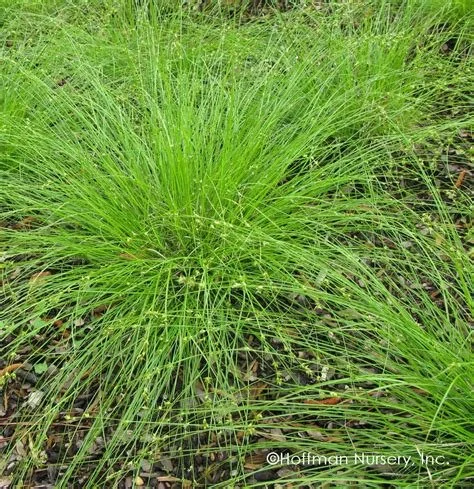
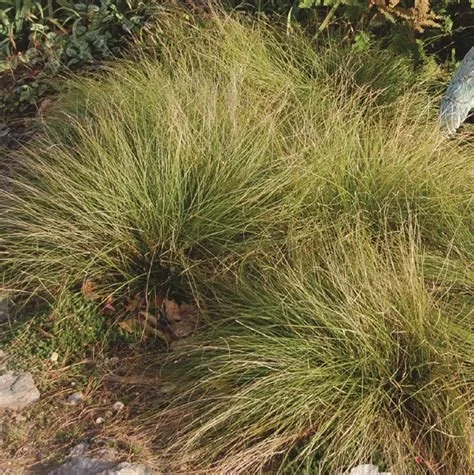
1107 Sedge, Appalachian (Carex Appalachia) Z3. Ideal option for dry, shaded, or otherwise difficult sites. Leaves are uncommonly fine, creates a lovely “weeping” appearance. In early spring, tiny flowering stalks shoot beyond the foliage with little starbursts of light green blooms.  These plants grow slowly but steadily to form attractive colonies. Requires well-drained, dry site; flourishes in partial sun to full shade. Host plant for Skipper and Satyr caterpillars. 2 qt. (8-12”) ME

1107 Sedge, Appalachian     1 (2 qt. pot) for $15.00

1107 Sedge, Appalachian (Carex Appalachia) Z3. Ideal option for dry, shaded, or otherwise difficult sites. Leaves are uncommonly fine, creates a lovely “weeping” appearance. In early spring, tiny flowering stalks shoot beyond the foliage with little starbursts of light green blooms.  These plants grow slowly but steadily to form attractive colonies. Requires well-drained, dry site; flourishes in partial sun to full shade. Host plant for Skipper and Satyr caterpillars. 2 qt. (8-12”) ME

1107 Sedge, Appalachian     1 (2 qt. pot) for $15.00

If you’re rethinking your lawn or starting a native garden, native grasses play a crucial role in rebuilding ecosystems and restoring soil health. They also add texture, movement, and structure to any landscape. Native grasses:

·   Prevent erosion by holding soil in place during heavy rain or wind.

·   Improve water infiltration, allowing more rainfall to soak into the ground instead of running off.

·   Break up compacted soils, making space for air and water movement.

·   Cycle nutrients, drawing minerals from deep layers and making them available near the surface.

·     Provide habitat and food for beneficial soil organisms.

·     Encourage growth of mycorrhizal fungi, which form symbiotic relationships with plant roots.

·     Create microclimates in the soil that support everything from beetle larvae to earthworms.

·     Are low-maintenance and extremely drought-tolerant once established.

·     Serve as important tool in climate adaptation and mitigation due to their ability to store carbon.